
[Wellpedia] 피트니스는 데이터 게임이 아니다.
ft. Anytime Fitness Korea GM, Beeoh Kim


Wellpedia는 글로벌 웰니스 리더들의 관점과 저의 인사이트를 바탕으로 웰니스 산업의 현재를 기록하는 살아 있는 백과사전 프로젝트입니다. 지금 무엇이 만들어지고 있는지, 그것을 어떻게 활용해야 하는지, 그리고 웰니스의 미래가 어디로 향하는지를 탐구합니다.
Wellpedia is a living encyclopedia of the wellness industry, built through conversations with global leaders and shaped by my own insights. We explore what’s being built, how it can be used effectively, and where the future of wellness is headed.
english below
Anytime Fitness: 24시간 연중무휴, 전세계 1위 피트니스 브랜드
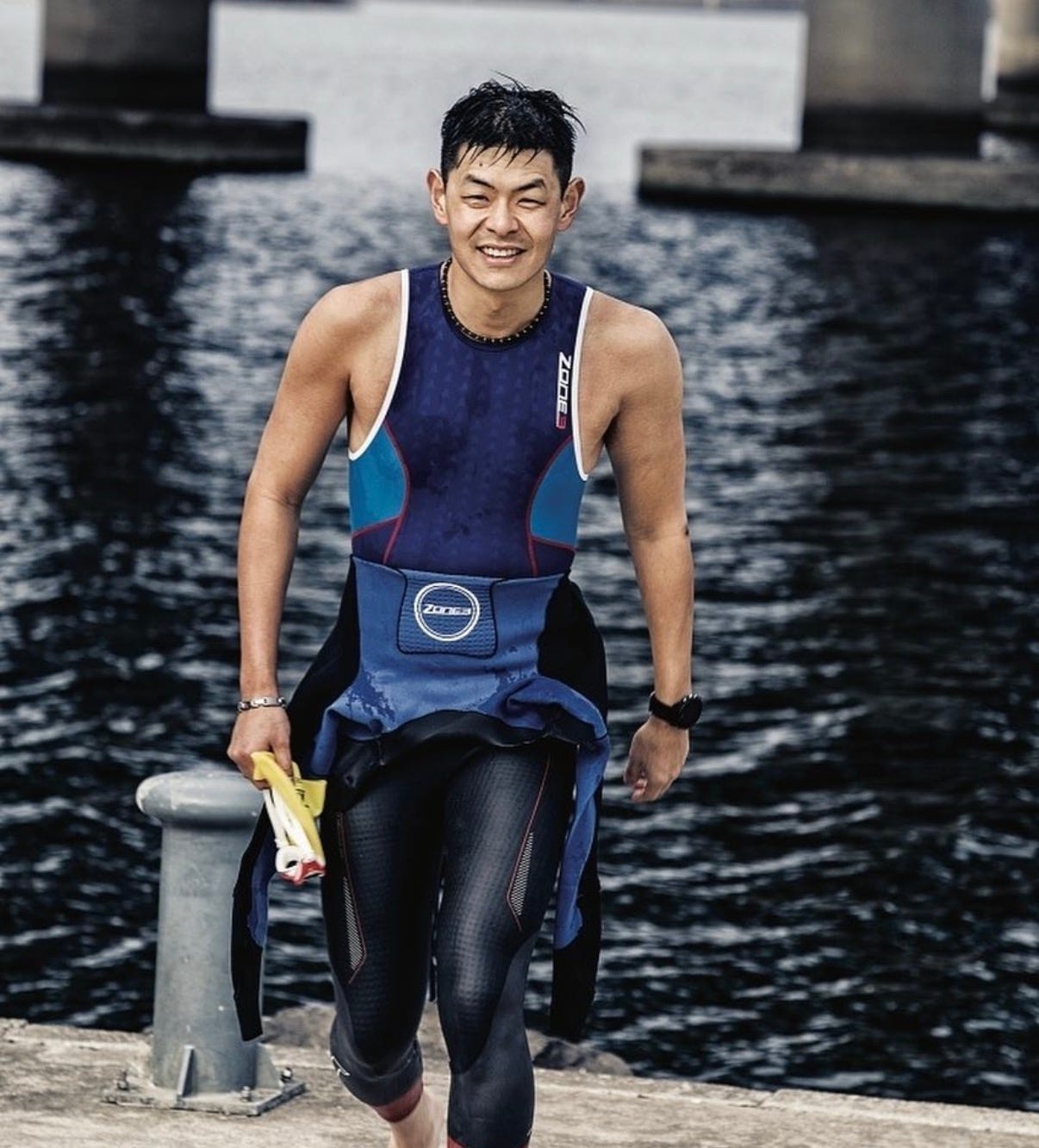
저의 첫! 인터뷰는 다름 아닌, 전 세계 40개국, 5,800개 이상의 피트니스 센터와 500만 명 이상의 멤버를 보유한 글로벌 피트니스 브랜드 Anytime Fitness의 김비오(Beeoh Kim) 한국 총괄본부장님과 함께했습니다.
‘가성비 프리미엄(accessible premium)’이라는 포지셔닝을 명확하게 구축한 애니타임 피트니스는, 월 3~4만 원대의 저가 헬스장과 월 10~40만 원 이상의 고가 스튜디오 사이에서 합리적인 가격과 높은 경험을 동시에 제공하며 독자적인 위치를 만들어가고 있는데요.
피트니스를 넘어, Training(훈련), Nutrition(뉴트리션), Recovery(회복)를 모두 아우르는 ‘라이프스타일’ 브랜드로 자리매김하고 있습니다.
김비오 본부장님은 프로 철인3종 선수 출신으로, 25년째 러닝과 15년째 명상과 함께해온 찐 웰니스 라이프를 사는 분입니다. 선수에서 멘탈헬스 플랫폼 대표, 그리고 글로벌 피트니스 브랜드의 리더로 이어지는 여정 속에서, ‘진짜 웰니스’가 무엇인지 몸소 경험해오셨는데요. 다양한 포지션을 직접 살아오며 느낀 피트니스의 본질과 산업에 대한 깊은 인사이트를 이번 인터뷰에서 나눠주셨습니다.
처음 연락드렸음에도 불구하고 저의 첫 인터뷰에 흔쾌히 응해주셔서 감사했고, 피트니스를 단순한 사업이 아닌 하나의 철학이자 무브먼트로 바라보시는 관점이 특히 인상 깊었습니다.
단순한 운동을 넘어, 사람과 경험, 그리고 연결을 만들어가는 공간으로서의 피트니스. 김비오 본부장님의 인사이트를 지금부터 함께 보시죠!
1. It’s a People Business, Not a Data Business
요즘 피트니스와 웰니스 산업을 보면 점점 더 데이터 중심으로 흘러가고 있습니다. HRV, 수면 데이터, 바디 스캔, 호르몬까지, 사람을 이해하는 방식이 계속 숫자로 바뀌고 있는 느낌입니다.
겉으로 보면 이 산업은 앞으로 완전히 데이터 기반으로 갈 것처럼 보입니다.
하지만 인터뷰에서 가장 많이 반복된 이야기는 오히려 정반대였습니다.
“You have to remember that it’s a people business rather than a data business… People are going to be people. If you think of everyone as data, you’re going to misstep a lot of things.”
“피트니스는 데이터 비즈니스가 아니라 사람 비즈니스라는 걸 잊으면 안 됩니다. 사람은 결국 인간이고, 모두와 그들의 건강을 데이터로만 보면 분명히 놓치는 게 생깁니다.”
데이터를 쓰지 말라는 이야기는 아니였습니다.
실제로 본부장님도 Whoop 같은 웨어러블을 쓰고, 수면 데이터나 HRV도 트래킹하면서 관리를 하고 있다고 하셨는데요.
다만 중요한 건 데이터가 모든 것을 설명해주는 것이 아니라는 점이었습니다.
“Don’t try to overanalyze everything. It’s a great tool, but don’t rely on that. Sometimes you can’t really put all these feelings and senses into data.”
“너무 분석하려고만 하지 마세요. 데이터는 좋은 도구지만 거기에 의존하면 안 됩니다. 어떤 감정이나 감각은 데이터로 담을 수 없는 영역이 있습니다.”
우리는 점점 ‘측정 가능한 것’만 믿으려고 하고, 측정이 안 되는 것들은 덜 중요하게 생각하는 경향이 있습니다.
하지만 실제로 사람을 움직이게 하는 건
이 공간에 오면 괜히 기분이 좋아지는 느낌,
트레이너와 죽이 잘 맞으면서 생기는 케미,
그리고 익숙한 사람들을 계속 마주치며 쌓이는 소속감입니다.
이건 숫자로는 설명이 안 되는 영역이죠.
특히 프랜차이즈 피트니스 겉으로 보면 데이터, 시스템, 표준화가 핵심일 것 같지만, 실제로는 가맹점과 그 안의 트레이너들, 그리고 팀 간의 관계와 신뢰가 얼마나 탄탄한지에 따라 성패가 갈립니다.
시스템과 데이터가 아무리 잘 갖춰져 있어도, 결국 ‘너와 나의 연결고리’, 숫자로는 설명되지 않는 그 ‘느낌’이 운동을 넘어 라이프스타일로 확장되는 피트니스의 핵심이라는 본부장님의 말씀이 너무나 공감되었습니다.
Takeaway: The more the industry becomes data-driven, the more human it actually becomes. 산업이 데이터 중심이 될수록, 오히려 더 인간적인 산업이 됩니다.
2. Evolve or Disappear
“If you don’t evolve, you’re gonna disappear… especially after COVID, people are more interested in the holistic side of it not just working out.”
“변화하지 않으면 사라질 수밖에 없습니다. 특히 코로나 이후에는 사람들이 단순한 운동이 아니라 더 전체적인 건강을 원하고 있습니다.”
단순히 ‘피트니스만’ 하고 있다면, 이제는 한 번쯤 질문을 던져봐야 할 시점이라고 김비오 본부장님은 말합니다.
운동은 더 이상 목적이 아니라 수단이 되었고, 사람들은 트레이닝을 넘어 어떻게 먹고, 어떻게 회복하고, 어떤 컨디션으로 하루를 살아갈지까지 포함된 더 큰 흐름을 원하고 있습니다. 이러한 변화 속에서 Anytime Fitness가 TNR 즉, Training(운동), Nutrition(영양), Recovery(회복),으로 확장해 나가는 방향은 자연스럽게 느껴졌습니다.
Anytime Fitness는 이 모든 것을 하나의 패키지로 강요하기보다, 멤버가 부담 없이 단계적으로 확장할 수 있는 구조를 만들었습니다. 24시간 피트니스 시설을 기반으로 시작해, 앱을 통해 운동 기록과 식단 가이드를 이어가고, 일부 지점에서는 Hyperice와 같은 파트너십을 통해 리커버리 장비를 활용할 수 있는 공간까지 확장됩니다. 핵심은 ‘다 제공하는 것’이 아니라, 멤버의 변화하는 니즈에 맞춰 경험이 자연스럽게 쌓이도록 설계했다는 점입니다.
이 지점에서 질문은 바뀝니다. 무엇을 제공하고 있는지가 아니라, 어떤 경험을 만들고 있는지가 더 중요해지기 때문입니다.
그리고 여기서 트렌드를 쫓는 것과 진짜로 진화하는 것의 차이가 드러납니다. 콜드플런지나 사우나 같은 방법은 언제든 바뀔 수 있지만, 사람의 삶과 행동 패턴의 변화는 훨씬 더 깊고 구조적입니다.
결국 지속 가능한 비즈니스는 트렌드를 빠르게 따라가는 데서 나오지 않습니다. 변화한 소비자의 삶을 이해하고, 그에 맞게 경험의 구조를 다시 설계하는 데서 나옵니다.
여러분은 지금 변화를 쫓고 있나요,
아니면 그 변화를 이해하며 경험을 만들어가고 있나요?
Takeaway: The future of fitness is not just a place to work out, but a system to live better. 피트니스의 미래는 단순히 운동하는 공간이 아니라, 더 나은 삶을 설계하는 경험을 하는 곳입니다.
3. Performance Is Overrated
“When you look at the marketing for running these days, it’s all about performance. But performance is not the only thing you should care about.”
“요즘 러닝을 보면 퍼포먼스 중심인데, 그게 전부는 아닙니다.”
더 빨리, 더 강하게, 더 잘.
우리가 러닝 컬쳐에서 가장 자주 마주하는 메시지입니다.
하지만 25년 동안 러닝을 해오고, 15년째 명상을 이어오고 있는 김비오 본부장님은 ‘기록, 속도, 효율’이라는 단어들에 매몰되어 그것이 운동과 러닝의 전부라고 생각하는 것은 답이 아니라고 말했습니다.
러닝 열풍과 함께 마라톤이 하나의 트렌드가 되고, sub3와 같은 목표가 기준처럼 작동하는 지금 한국에서는 많은 사람들이 너무 빠르게, 너무 많이 하려다 오히려 흥미를 잃고, 부상을 겪고, 결국 지속하지 못하는 경우가 늘어나고 있습니다. 20년 넘게 러닝이라는 루틴을 지켜온 본부장님은 이러한 퍼포먼스 중심의 압박을 내려놓을 필요가 있다고 이야기합니다.
“That’s not what running is about. It’s just experience. Running is also meditation in a way. So go out there. You don’t have to sprint. You can walk, jog, meet people. Slow down, just experience.”
“러닝은 그런 게 아닙니다. 결국은 경험입니다. 러닝은 일종의 명상과도 같습니다. 꼭 전력으로 달릴 필요는 없습니다. 걷고, 천천히 뛰고, 사람들을 만나보세요. 속도를 조금 늦추고, 경험하는 것이 중요합니다.”
러닝은 기록을 쌓는 행위라기보다 시간을 쌓아가는 과정에 가깝고, 속도를 높이는 것보다 중요한 건 지속 가능한 나만의 루틴으로 만들어가는 것이라고 김비오 본부장님은 말합니다. 결국 오래 가는 사람은 더 잘하는 사람이 아니라, 자신의 리듬을 찾고 그 루틴을 이어가는 사람이며, 그런 사람이 러닝의 기쁨과 행복을 더 깊이 느낄 수 있다는 점에서 퍼포먼스 중심의 피트니스 문화에 대해 다시 생각해보게 만드는 시간이었습니다.
Takeaway: Optimize for sustainability, not performance.
다시 한 번 첫 인터뷰인데도 불구하고 흔쾌히 나와주신 김비오 본부장님께 감사의 말씀 전합니다! 그리고 인터뷰 내용 읽어주신 여러분에게도 감사합니다!
앞으로 인터뷰를 함께하면 좋겠다고 생각되는 리더가 있다면 언제든지 편하게 메시지 주시고, 오늘 인터뷰를 보시고 떠오른 생각이나 인사이트가 있다면 아래 댓글로 공유해주세요! 웰피디나, 여러분과 소통하며 함께 만들어가고 싶습니다 :)
p.s. 인터뷰 숏츠는 아래 링크를 통해 확인하실 수 있습니다!
Anytime Fitness: The World’s Fast Growing 24/7 Fitness Brand
For my very first interview, I walked with Beeoh Kim, General Manager of Anytime Fitness Korea, a global fitness brand with over 5,800 locations across 40+ countries and more than 5 million members worldwide.
Positioned as an “accessible premium” offering, Anytime Fitness sits right between low-cost gyms and high-end boutique studios, delivering both affordability and elevated experience in a way that feels increasingly relevant today.
Beeoh is a former professional triathlete who has been running for over 25 years and practicing meditation for 15. His journey, from pro-athlete to mental health platform founder to leading a global fitness brand, gives him a uniquely grounded perspective on wellness.
What stood out to me was how genuinely he sees fitness not just as a business, but as a philosophy and a movement.
And that perspective came through clearly in his key message: Today, fitness is no longer just about workouts. It’s about people, experience, and connection.
Here are the key insights from our conversation.
1. It’s a People Business, Not a Data Business
When you look at the fitness and wellness space today, it’s becoming increasingly data-driven. HRV, sleep scores, body scans, hormones. More and more, the way we understand ourselves is being translated into numbers.
On the surface, it feels like the future of this industry is entirely data-led.
But one of the most repeated ideas in this conversation was actually the opposite.
“You have to remember that it’s a people business rather than a data business… People are going to be people. If you think of everyone as data, you’re going to misstep a lot of things.”
It wasn’t about rejecting data. Beeoh himself uses wearables like Whoop to track his data.
But the point was clear: data doesn’t show the full picture.
“Don’t try to overanalyze everything. It’s a great tool, but don’t rely on that. Sometimes you can’t really put all these feelings and senses into data.”
We’re starting to trust what can be measured, and unintentionally discount what can’t.
But what actually makes people come back isn’t a number.
It’s the feeling you get when you walk into a space and something just clicks. The chemistry you build with a trainer. The quiet sense of belonging that comes from seeing familiar faces, again and again.
None of that shows up in your dashboard.
Franchise fitness is especially interesting in that way. From the outside, it looks like a game of systems, data, and standardization. But in reality, performance often comes down to something far less tangible: the strength of relationships in internal teams, the trust between franchiser & franchisee, the energy shared between members.
You can build the best system on paper. But if there’s no real connection, it doesn’t last.
And that’s what stayed with me.
At the end of the day, it’s that invisible layer, the connection between people, the unmeasurable “feel” of a place, that turns fitness from something you do into something you live.
Takeaway: The more the industry becomes data-driven, the more human it actually becomes.
2. Evolve or Disappear
“If you don’t evolve, you’re gonna disappear… especially after COVID, people are more interested in the holistic side of it not just working out.”
As Beeoh says, if you’re still “just doing fitness,” it might be time to pause and ask a bigger question.
Because today, working out is no longer the end goal. It’s a means. People are looking beyond training, toward something more integrated: how they eat, how they recover, and ultimately, how they move through their day. In that sense, Anytime Fitness expanding into TNR (Training, Nutrition, and Recovery) doesn’t feel like a pivot. It feels like a natural evolution.
What’s interesting is how they’ve built it.
Instead of packaging everything into one all-in offering, Anytime Fitness has created a system that expands with the member. You start with 24/7 access to a gym. From there, your experience layers in through the app, where your workouts are tracked and basic nutrition guidance is introduced, and then further, in some locations, into recovery spaces equipped with tools like Hyperice. It’s not about offering everything at once. It’s about allowing the experience to grow as your needs evolve.
And that’s where the real shift happens.
The question is no longer: What are you offering?
It’s: What kind of experience are you building?
Because there’s a difference between chasing trends and actually evolving.
Cold plunges, green gummies, infrared rooms…those will come and go. But the way people live, their needs, the way they behave, the way they prioritize their time and energy changes much more slowly, and much more fundamentally.
Sustainable businesses aren’t built by reacting to trends. They’re built by understanding how people are changing and redesigning the experience around that.
So the real question is:
Are you chasing the change?
Or are you actually understanding it and building experiences around fundamental needs?
Takeaway: The future of fitness is not just a place to work out, but a system to live better.
3. Performance Is Overrated
“When you look at the marketing for running these days, it’s all about performance. But performance is not the only thing you should care about.”
Faster. Stronger. Better.
That’s the message we see over and over again in running culture.
But Beeoh, with 25 years of running and 15 years of meditation under his belt, offered a very different perspective. He seriously cautioned against getting too consumed by words like performance, speed, and efficiency, and mistaking them for the full picture of what running (and fitness) is meant to be.
In Korea especially, with the rise of running clubs and marathon culture, goals like sub-3 have almost become a benchmark. But in chasing those goals, many end up pushing too hard, too fast, losing interest, getting injured, and ultimately not staying with it.
After more than two decades of keeping running as a consistent part of his life, Beeoh spoke about the need to let go of that performance pressure.
“That’s not what running is about. It’s just experience. Running is also meditation in a way. So go out there. You don’t have to sprint. You can walk, jog, meet people. Slow down, just experience.”
In that sense, running isn’t really about chasing results. It’s about showing up over time. Not about pushing your pace, but finding a rhythm you can actually sustain. Because the ones who last aren’t necessarily the ones performing the best. They’re the ones who keep going.
And over time, they’re the ones who experience what running actually offers: not the high of performance, but the stability of consistency.
It raises a bigger question for all of us:
Are we building for outcomes, or are we building something we can actually sustain?
Takeaway: Optimize for sustainability, not performance.
Thank you for reading and I cannot wait to build this with you all! Drop your comments below on your thoughts on the piece and let me know if you want to recommend anyone we should be interviewing!
Interview clips are here!